The Deuce
A Teeming Plot of Semi-Heaven
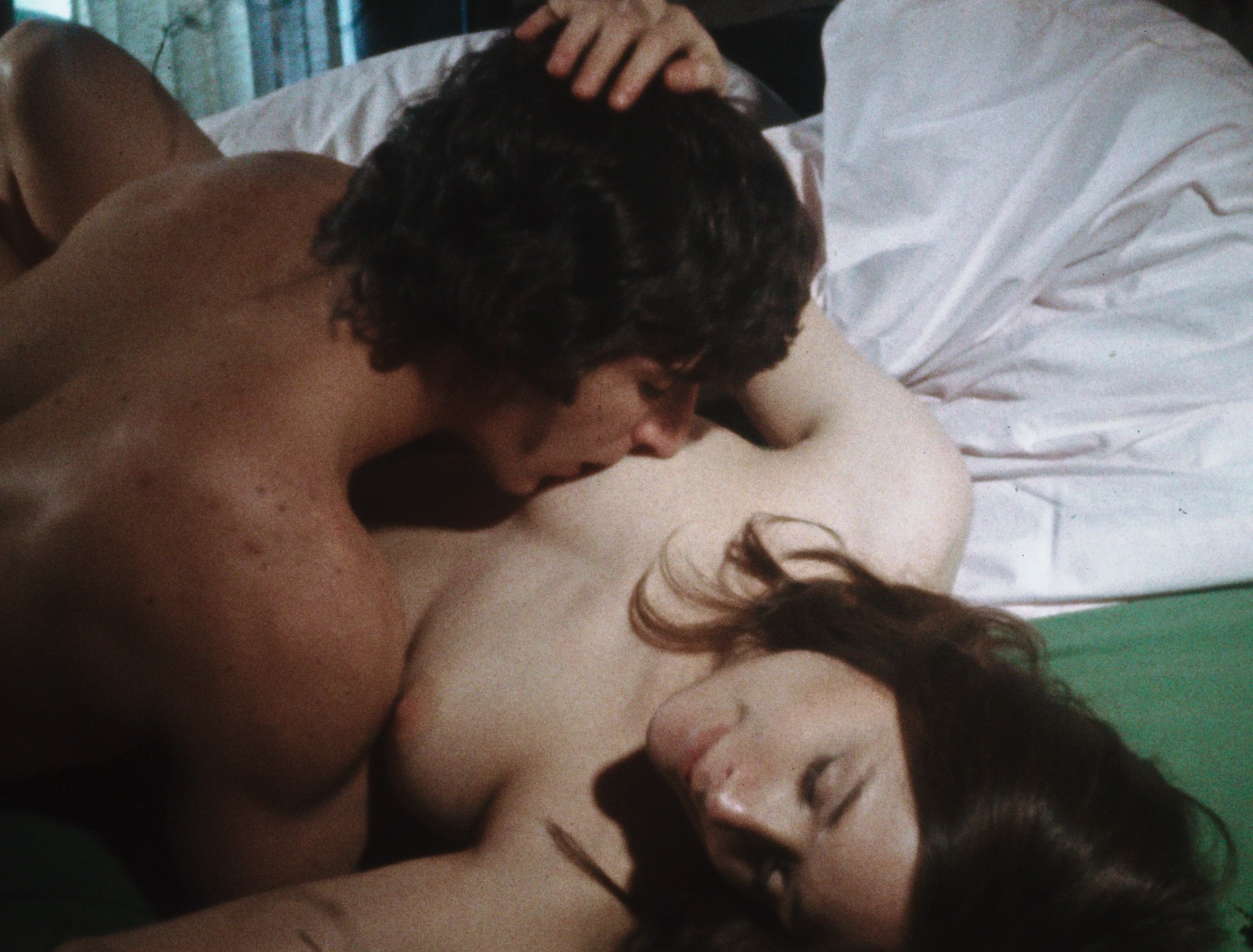
During the classic era for exploitation movies (1965-1985), fans had their very own Mecca, their El Dorado or Demi-Paradise: a sprawling constellation of movie-houses in the bustling Times Square district of New York City. The high altar of excitement was 42nd Street, colloquially known as ‘The Deuce’.
At its peak in the 1970s, the Deuce was home to fifteen major cinemas between 7th and 8th Avenues: on the North side the Rialto 1 & 2, the Victory, the Lyric, the Times Square, the Apollo, the Selwyn and the Harem; facing them on the South side, the Anco, the Empire, the Liberty, the Harris, the Cine 42, the New Amsterdam and the Roxy. There were more on the adjoining block between 6th and 7th Avenues: the Bryant (a frequent spot for Andy Milligan sexploitation), the Avon (for 16mm loops) and the Pix (which shuttled between straight and gay porn). The biggest cinemas on the Deuce were the New Amsterdam (2500 seats), the Lyric (1250), the Harris (1200) and the Times Square (1000). Built between 1900 and 1920 as ‘legit’ theatres, they had once been rather grand. Some retained their razzle-dazzle into the 1970s, but others, despite enormous screens and voluminous balconies, were in steep decline. As for the men’s rooms – beware! Once smelled, never forgotten.
In between the big cinemas you could watch sex films in smaller venues with tiny screens: the ironically-named Multiplex, or the Joy for instance. Adult bookshops, peep shows, fast food outlets and a busy amusement arcade made up most of the remaining retail slots. In the late 1960s a cluster of tiny adult cinemas had sprung up on the Deuce between 8th and 9th Avenues: the Masque (gay), the Tomcat (gay), the 42nd Street Cinema (gay/underground) and the 42nd Street Playhouse (straight), but sadly these were the first to be ‘redeveloped’ when the block became a ‘legitimate theatre’ district in 1975.
A stone’s throw away was Times Square itself – the intersection of 7th Avenue and Broadway on the vertical, and 42nd to 47th Streets on the horizontal. Here you could find first-run theatres like the Loew’s State, the Victoria, the National, and the Criterion. If you followed 7th Avenue north, you would hit the Cinerama 1 & 2 (a frequent home for horror movies) and the Doll (a sex cinema seen in Lucio Fulci’s notorious New York Ripper). At the other end of the Deuce, turning north from 42nd Street onto 8th Avenue, you found yourself on ‘The Minnesota Strip’, a main artery for sex shops (Show World), ‘massage parlours’ (Delicate Touch), strip joints (Hungry Hilda’s Topless Bar, the Psychedelic Burlesk Funhouse) and a cluster of porno theatres: the Eros 1 & 2, the Capri, the Adonis and the Cameo.
What sort of movies played in these hallowed halls of sleaze? The first thing to mention is that no single movie house specialised in horror; the Cine 42 and the New Amsterdam were the closest thing, but in general the horror genre hopscotched through all the available cinemas. Take 1980, for instance: Fade to Black at the Lyric, The Hearse at the Selwyn, The Shining at the Criterion, Don’t Go in the House, The Boogey-Man and The Brood at the New Amsterdam, Zombie, Bloodeaters, Night of the Demon, Schizoid, Cathy’s Curse and Silent Scream at the Cine 42, Humanoids from the Deep, The Fog and Phantasm at the Liberty.
For sexier fare, let’s time-travel to 1975: Armand Weston’s brutal horror-porn film Defiance! at the Cameo; Lee Frost’s electrifying ‘bad cop’ porn film A Climax of Blue Power and Dominic Bolla’s Exorcist-influenced Angel Above, The Devil Below (‘Ha-ha-ha!! Your lust-hole will be my home!’) at the Circus on Broadway; Radley Metzger’s witty and accomplished Naked Came the Stranger and the Amero brothers’ masterly Every Inch a Lady at the World on 49th; Wes Craven’s ‘secret porno’ The Fireworks Woman and Howard Ziehm’s lusty Sexteen at the Cine Lido on 48th; and two ultra-obscurities – Wet, Wild and Weird and Sandra’s Magic Fingers – at the Hudson on 43rd… At the gay theatres, you could choose from Satan’s Studs and Men in Leather at the Eros 1; Rik Tazíner’s Mod De Sade at the Gaiety on 46th; Tom DeSimone’s sparky Sons of Satan at the Park-Miller on 7th Avenue; and the amazing sex-horror mash-up Sex Demon at the newly opened Ramrod on 49th.
Putting sex and horror aside, by far the biggest proportion of bookings on the Deuce went to ‘tough guy films’: martial arts movies, beefy action films, maverick cop movies, vigilante sagas, war films, blaxploitation, gang violence, anything that involved men beating the crap out of each other: Big Zapper, Black Gunn, The Gauntlet, Dolemite, Fists of Fury, Death Wish, Willie Dynamite, Streetfighter’s Last Revenge. Tough-guy actors like Fred Williamson, Burt Reynolds, Charles Bronson, Clint Eastwood or Chuck Norris always hit the sweet spot for denizens of the Deuce. Their lurid fist fantasies were interleaved with some of the more character-driven Hollywood pictures, bumped onto the Deuce after a first run at prestigious theatres. In 1975, for instance, the Lyric showed Jeremiah Johnson, The Godfather Part II, Shampoo, Cabaret and Dog Day Afternoon, interspersed with low-budget indies like Deranged, Rape Squad, The Beast Must Die and The Devil’s Rain. (The Lyric, by the way, is the theatre to which Travis takes Betsy in Taxi Driver, only to find that – whoops! – they’re showing a porno film. In fact the Lyric would not have shown porn – for that you needed the Victory, next door).
During the late 1970s and early 1980s, mayor Ed Koch of New York swore to ‘clean up’ Times Square and The Deuce. The argument was that the area was too sleazy, dirty and dangerous, but there were many at the time who felt ulterior motives were at play. John Colacenti, manager of the Roxy on 42nd Street, told Variety in 1985: ‘It smells of wealthy real estate interests to me. They’re accusing theater owners of “contributing to the area’s blight”. Blight? I don’t think we cause blight … I think we offer some relief — great entertainment value for those who would not be able to afford it otherwise. Where else can people see four movies for $3.50?’
Koch, who lost the mayoralty in 1989, never achieved his ‘cleanup’, but audiences on the Deuce were diminishing anyway, thanks to three deadly factors: home video, which halved the audience pretty much overnight; AIDS, which made casual sex in porn cinemas too dangerous; and crack cocaine, which pushed an already druggy part of town to violent extremes. By 1990 the Deuce was a forlorn, dangerous place: many of the theatres had closed, and violent street crime made visiting the remaining stragglers hazardous. By the mid-1990s, under Mayor Rudy Giuliani, the entire Times Square/42nd Street area was taken over by gigantic entertainment and retail corporations, most notably Disney. Back in the heyday of sleaze, a trailer for Joel M. Reed’s torture-terror flick Bloodsucking Freaks proudly declared it to be ‘a show that will make anyone retch!’. After twenty-five years of vomitous vacuity courtesy of Frozen, The Lion King and Aladdin, it seems the mainstream has finally beaten Reed at his game.
Stephen Thrower is an English musician (Coil, Cyclobe, UnicaZürn) and author of seminal works of film history and criticism, such as „Beyond Terror: The Films of Lucio Fulci“ and „Nightmare USA: The Untold Story of the Exploitation Independents“.