RETROSPECTIVE: UNSAFE SPACES – THE HISTORY OF GRINDHOUSE CINEMA
The first eight films
In 2026, the SLASH Retrospective will focus on a chapter of genre film history that is as significant as it is provocative: North American Grindhouse Cinema:
While the morally conservative Hays Code (a censorship code for film productions, 1934–1968) and the guidelines of the MPAA (Motion Picture Association of America) regarding commercially significant age ratings forced many Hollywood productions into self-censorship, clusters of movie theaters flourished in urban centers such as Los Angeles and, in particular, New York City (42nd Street) beginning in the early 1960s, clusters of movie theaters emerged that, outside the scope of any official or legal regulations and often beyond all bounds of good taste, showed independent exploitation films. These grindhouses, so named because they screened films all day and into the night without a break (“They grind them out”), became a phenomenon in the mid-20th century, for in their sensationalist programs, all the repressed fears, all the suppressed desires and passions, and all the forbidden feelings and thoughts crept directly into the projector’s light. Unfolding on the screen was the veritable psychogeography of a battered nation, in which—in the style of exploitation cinema and, by today’s standards, highly politically incorrect—topics that terrified the public came one after another: racial hatred and queer identities, cannibals and serial killers, faux-snuff, porno chic, and explicit violence films—back then still known as “blood horror.”
This year’s SLASH retrospective aims to evoke the spirit of the grindhouses—that is, genre cinema free from pretensions of artistry and award ambitions—and to place the hard-to-justify scenes of violence and bodily mutilation from that era in dialogue with contemporary sensibilities. We are supported in this endeavor by, among others, British film scholar Stephen Thrower, who has written a seminal work on this subject, “Nightmare USA: The Untold Story of the Exploitation Independents”, and will be a guest at the festival.
On display are 16 works, presented on 35-mm film whenever possible. The entire retrospective is subject to strict age restrictions (18+); some screenings can only be attended in conjunction with an introduction.
Here we announce the first eight titles in the retrospective:
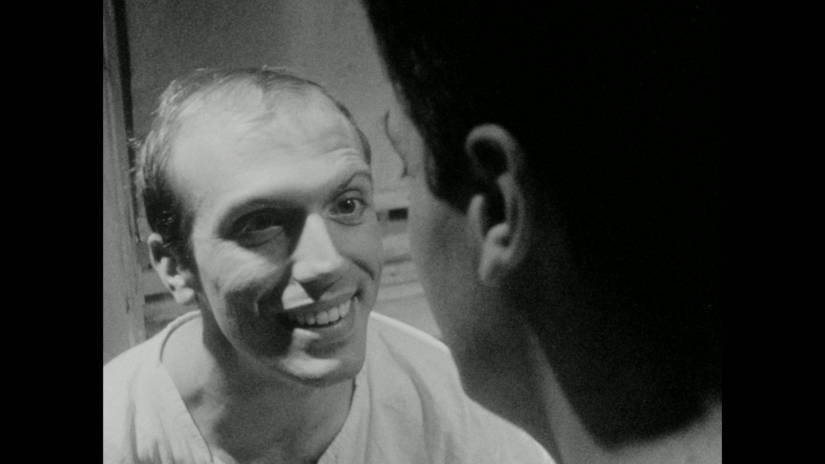
Kurzfilm
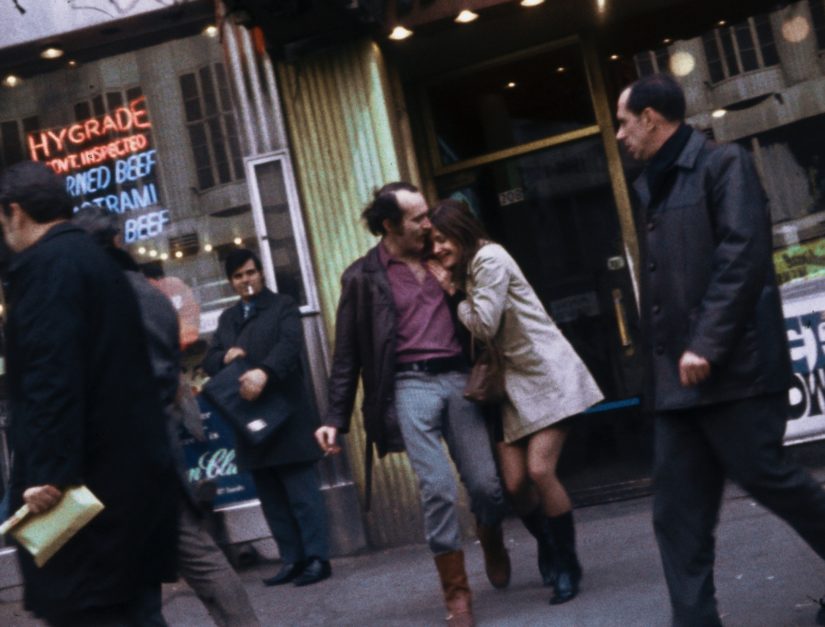
(US 1972, Andy Milligan)
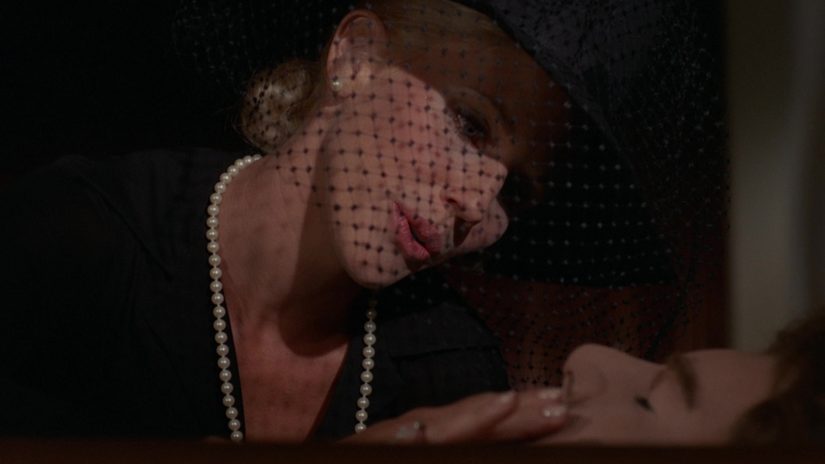
(US 1972, Jacques Lacerte)
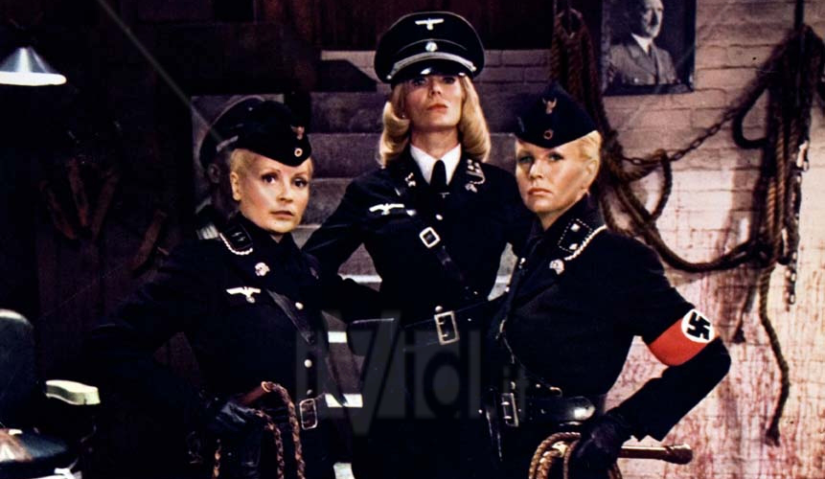
(CA 1975, Don Edmonds)
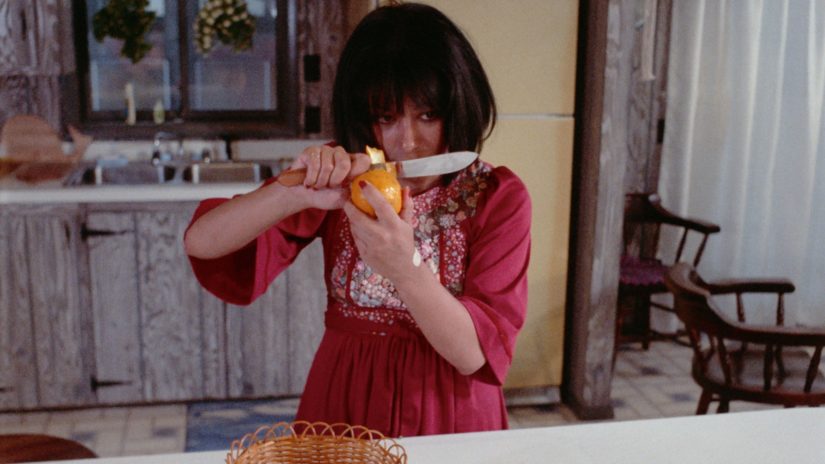
(US 1977, Roberta Findlay)
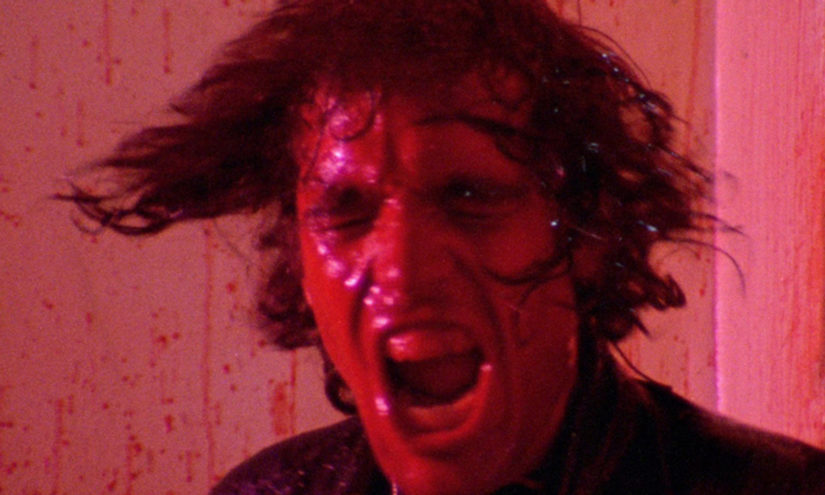
(US 1979, Abel Ferrara)
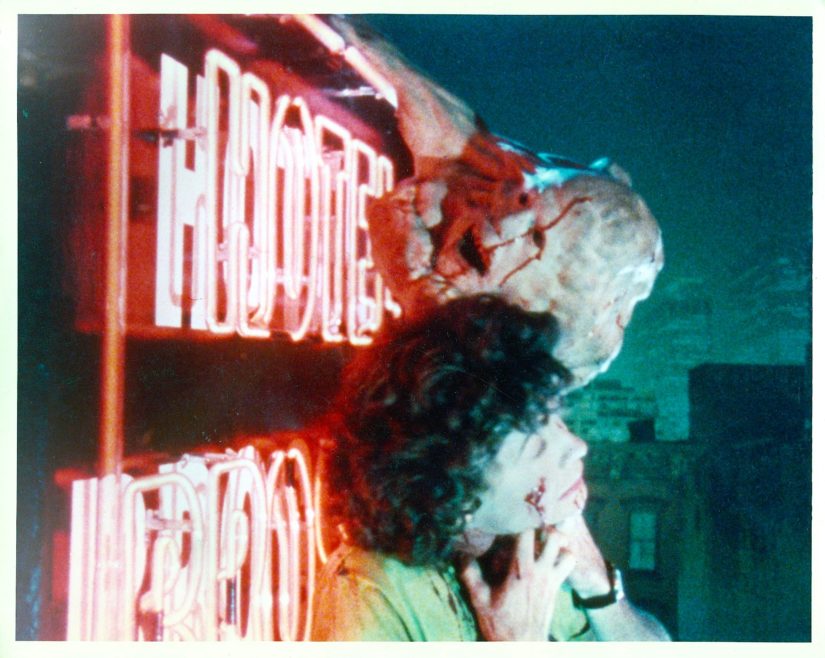
(US 1982, Frank Henenlotter)

(US 1983, Douglas McKeown)