A Most Thrilling Role Model
An Essay on Christina Lindberg
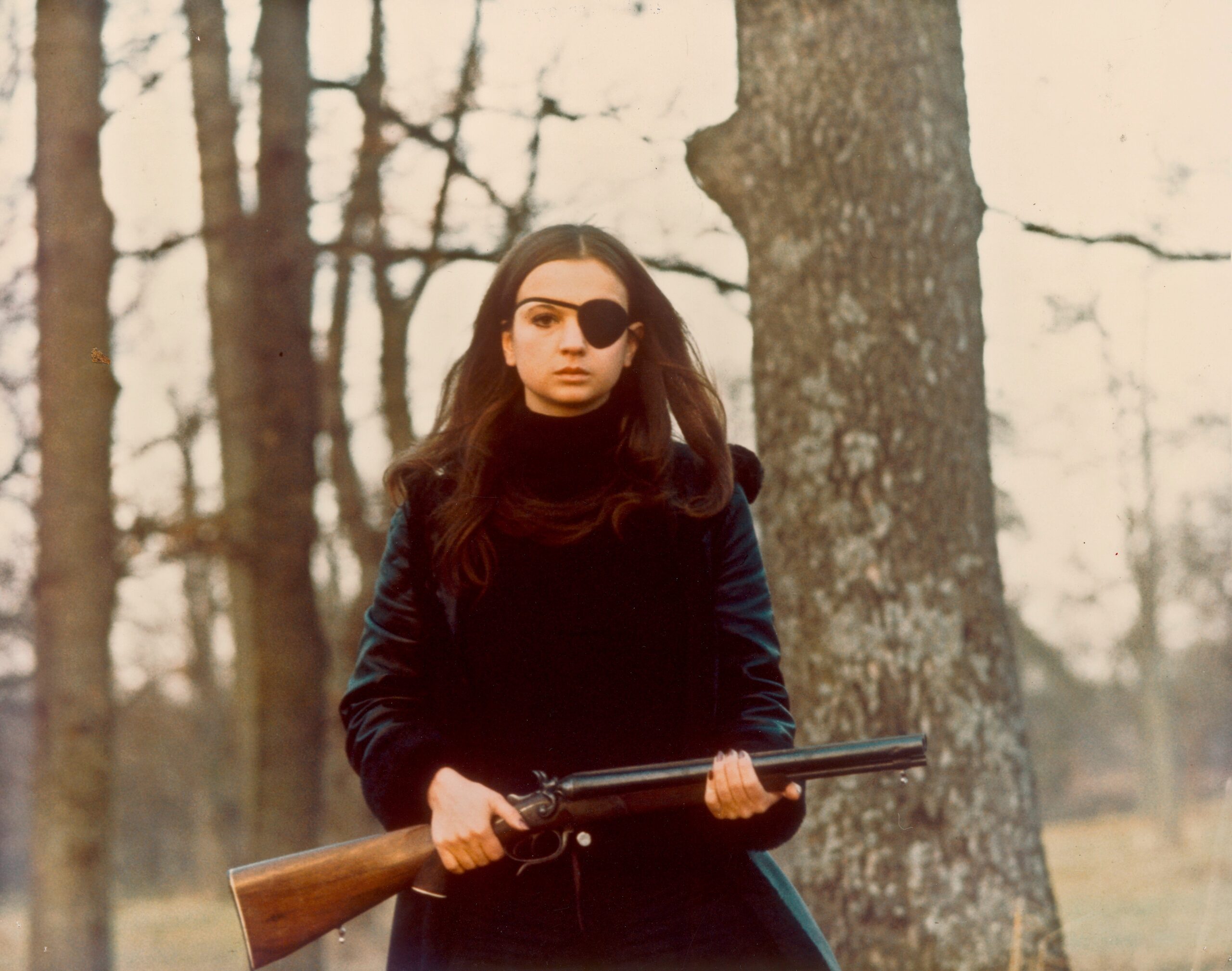
Quentin Tarantino called Swedish exploitation classic Thriller: A Cruel Picture the most gruesome film he had ever seen. Its rape-revenge theme inspired him during the making of Kill Bill. The original—and uncut!—film, starring Christina Lindberg, is back in the spotlight now that the Kill Bill movies have been edited into one “whole bloody affair.”
“You are watching the uncut version, right?” actor Christina Lindberg asks me when I contact her about the screening of Thriller: A Cruel Picture (1973) at SLASH Film Festival. “You get a much better understanding of the character that way.”
There are probably as many versions of this film as there are of, say, Blade Runner. This artistic-meets-hardcore precursor to the rape-revenge genre was trimmed by over twenty minutes for its American release, at that time handled by Roger Corman’s American International Pictures. But thanks to distribution company Vinegar Syndrome, the original 108-minute cut was finally restored in 2022.
Lindberg (b. 1950) had no qualms about undressing for the erotic films that turned her into a genre icon in the 1970s, yet she also insisted on viewing them as earnest reflections of the zeitgeist regarding women’s roles and social issues. While she may have once embodied everything the women’s liberation movement sought to dismantle, today she is indeed regarded as a feminist role model, thanks to the agency she insisted on maintaining over her roles.
When she was cast in Thriller, she was known as a model and cover girl, having gained popularity through her breakout films Maid in Sweden (1971) and sexploitation flick Exponerad (1971), the latter of which was banned in dozens of countries following its premiere at Cannes. The filmmakers eagerly capitalized on this fact in their subsequent promotional campaign, further boosting Lindberg’s rising stardom.
Thriller was her way “to add nuance to the roles” she had played previously. Yet she was unaware that director Bo Arne Vibenius harbored not only artistic aspirations but also the goal of making “the most commercial film of all time.” Consequently, he imposed “no limits” on himself; and without Lindberg’s knowledge, he inserted hardcore penetration shots that turned the film into a scandalous success.
When the softcore genre gradually shifted toward hardcore, partly due to such interventions, Lindberg left the film world behind for a career in journalism. Recently, however, she returned to acting. This year, for instance, she appeared in the grief drama The Quiet Beekeeper.
Dana Linssen is a film critic from the Netherlands.